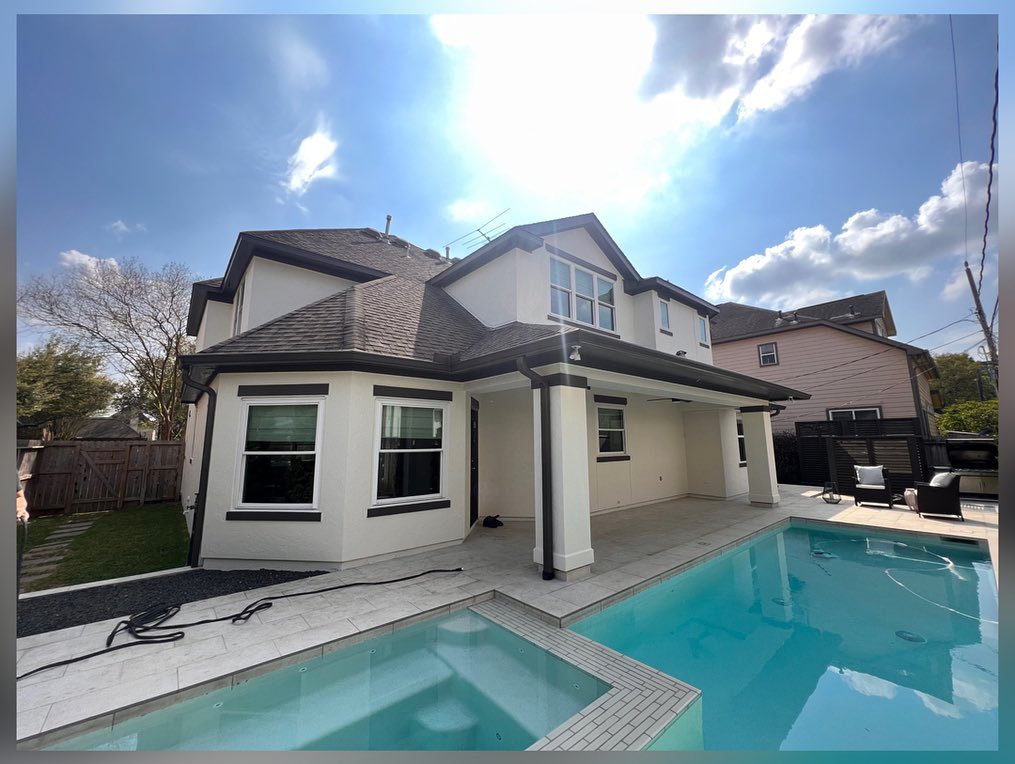
Sustainable Painting Practices with Leon Painting: Eco-Friendly Tips for Your Home Apr 05, 2026
The first consideration in sustainable painting is selecting the right paint. Opt for eco-friendly paints that have low volatile organic compounds (VOCs). High levels of VOCs in conventional paints can contribute to indoor air pollution, resulting in respiratory issues and other health problems. Low-VOC or VOC-free paints release fewer harmful chemicals into the air and are widely available in a variety of colors and finishes. Brands compliant with environmental standards, such as Green Seal or the Environmental Protection Agency’s Safer Choice, are your best bet for sustainable options.
Beyond choosing the right paint, consider the tools you use. Investing in high-quality brushes and rollers allows for multiple uses, reducing waste long-term. When it's time to clean your brushes, turn to biodegradable soaps instead of harsh solvents. Properly maintaining your tools not only enhances their longevity but also keeps toxic substances out of the water supply.
Preparation is key in any painting project, and it's also crucial for sustainability. Sanding walls, filling up cracks, and fixing leaks help the paint adhere better, extending its longevity and reducing the frequency of repainting. This lessens the need for additional resources over time. In addition, using masking tape instead of plastic sheets during prep work is a more sustainable choice, as tape is easier to recycle.
Another significant aspect is managing paint waste. It’s essential to buy only what you need. Online calculators or advice from professionals like Leon Painting can help you determine the correct amount of paint, minimizing excess that might end up as waste. For any leftover paint, consider storing it properly for future touch-ups, donating to community projects, or checking if your local recycling center accepts paint for reuse.
When it comes to disposing of old paint cans, ensure you comply with your local regulations as improper disposal can be harmful to the environment. Some municipalities have specific days for hazardous waste collection, which include paint disposal. This step prevents potential water and soil contamination.
Lastly, address any emissions produced during your project. Opening windows and using air purifiers can help to improve indoor air quality during and after the painting process, greatly reducing exposure to any lingering VOCs.
By implementing these eco-friendly tips, you contribute to a healthier home and a sustainable future. At Leon Painting, we understand the importance of protecting our environment while maintaining high standards of craftsmanship. We are here to provide guidance and service to help make your painting projects as green as possible. Embrace sustainable painting practices today and make a positive impact on your home and beyond.
/filters:no_upscale()/filters:format(webp)/media/406e7e73-bfe0-475c-9243-7da08decabe3.jpeg)
/filters:no_upscale()/filters:format(webp)/media/cc257dfb-2d4c-4389-b1ce-36ddf8a5b638.jpeg)